Flight control surfaces


  Aircraft flight control surfaces allow a pilot to adjust and control the aircraft's flight attitude. Development of an effective set of flight controls was a critical advance in the development of aircraft. Early efforts at fixed-wing aircraft design succeeded in generating sufficient lift to get the aircraft off the ground, but once aloft, the aircraft proved uncontrollable, often with disastrous results. The development of effective flight controls is what allowed stable flight. This article describes the control

Aerodynamics


               :The four forces that affect the aircraft in the air are
 Gravity-
  Lifting-
  drag-
  momentum-

And gravity is the natural force that attracts the plane to earth direction. Leverage push the plane to the top against gravity. The drag force is normal force  of the air, which goes against the aircraft movement to forward. momentum is balanced with power of drag and

Power needed to fly

The ability of flying

  
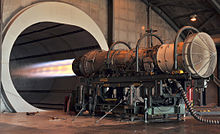
      :Engine generates the ability to fly the plane. Planes uses three main types of engines
reciprocating or piston engines-
Jet engines-
 rocket engines-

 reciprocating engines are the most weight and least productive of the ability of these types, while the rocket    engine is the most productive capacity  

 :Comparison of aircraft reciprocating engines and jet engine
Reciprocating or piston engines-

Aircraft Parts

:all aircraft except a few experimental aircraft Consists of same main parts These parts are

Wing-
{Fuselage  {the body-
 Empennage-
Landing gear-
Engine-

all these parts - except engine - are the plane structure.  this part of the article Discusses the main parts of the structure, as well as  the aircraft equipment ,machinery and various types of propellers. In the next part of the article will explain the engines

:Engineering design of the wing, tail and landing gear

Aircraft by type

  • An airship or dirigible:
is a type of aerostat or "lighter-than-air aircraft" that can be steered and propelled through the air using rudders and propellers or other thrust mechanisms. Unlike aerodynamic aircraft such as fixed-wing aircraft andhelicopters, which produce lift by moving a wing through the air, aerostatic aircraft stay aloft by having a large "envelope" filled with a gas which is less dense than the surrounding atmosphere. The first lifting gas used was hydrogen, although this had well-known concerns over its flammability. Helium was rare in most parts of the world, but large amounts were discovered in the USA. This meant that this non-flammable gas was rarely used for airships outside of the USA. All modern airships, since the 1960s, use helium.
The main types of airship are non-rigid (or blimps), semi-rigid and rigid. Blimps are "pressure" airships where internal pressure, maintained by forcing air into an internal ballonet, is used to both maintain the shape of the airship and its structural integrity. Semi-rigid airships maintain the envelope shape by internal pressure, but have some form of internal support such as a fixed keel to which control and engine gondolas and stabilizers and steering surfaces are mounted. Rigid airships have a structural framework which maintain the shape and carries all loads such as from gondolas, engines. The framework contains numerous balloons, known as "gas cells" or "gasbags" which supply the static lift without having to bear any structural loading. Rigid airships are often called Zeppelins, as the type was invented by Count Zeppelin and the vast majority of rigid airships built were manufactured by the firm he founded.


  • A light aircraft:
is an aircraft that has a maximum gross take-off weight of 12,500 lb (5,670 kg) or less.
Many light aircraft are used commercially for passenger and freight transport, sightseeing, photography and other similar roles as well.
Examples of light aircraft include:
Cessna, the entire range of propeller driven aircraft from the Cessna 120 up to the Cessna Caravan
Piper, all models
Beechcraft, the light models
Others like Cirrus aircraft; GA8 Airvan; Aviat Husky and the Robin DR400.
Examples of aircraft that are at the maximum gross take-off weight for this category include the de Havilland Canada DHC-6 Twin Otter and Beechcraft B200 Super King Air.


  • A military aircraft:

is any fixed-wing or rotary-wing aircraft that is operated by a legal or insurrectionary armed service of any type. Military aircraft can be either combat or non-combat:

        1- Combat aircraft are aircraft designed to destroy enemy equipment using their own armament. Combat aircraft are normally developed and procured only by military forces. 1.1 Fighter
1.2 Bomber
1.3 Attack aircraft
1.4 Electronic warfare aircraft
1.5 Maritime patrol aircraft
1.6 Multirole combat aircraft
        2- Non-combat aircraft are aircraft not designed for combat as their primary function, but may carry weapons for self-defense. These mainly operate in support roles, and may be developed by either military forces or civilian organizations.2.1 Military transport aircraft
2.2 Airborne early warning and control
2.3 Reconnaissance and surveillance aircraft
2.4 Experimental Aircraft


  • Civil aircraft :
is one of two major categories of flying, representing all non-military aviation, both private and commercial. Most of the countries in the world are members of the International Civil Aviation Organization (ICAO) and work together to establish common standards and recommended practices for civil aviation through that agency.
Civil aviation includes two major categories:
   1-Scheduled air transport, including all passenger and cargo flights operating on regularly scheduled routes;
   2-General aviation (GA), including all other civil flights, private or commercial
Although scheduled air transport is the larger operation in terms of passenger numbers, GA is larger in the number of flights (and flight hours, in the U.S.) In the U.S., GA carries 166 million passengers each year, more than any individual airline, though less than all the airlines combined.

Some countries also make a regulatory distinction based on whether aircraft are flown for hire like:
   1-Commercial aviation includes most or all flying done for hire, particularly scheduled service on airlines.
   2-Private aviation includes pilots flying for their own purposes (recreation, business meetings, etc.) without receiving any kind of remuneration.

All scheduled air transport is commercial, but general aviation can be either commercial or private. Normally, the pilot, aircraft, and operator must all be authorized to perform commercial operations through separate commercial licensing, registration, and operation certificates..


Modern and military aircrafts


الطائرات الحديثة
 تنقسم الطائرات الحديثة إلى خمس مجموعات رئيسية، هي: 1ـ طائرات نقل تجاري 2ـ طائرات خفيفة 3ـ طائرات عسكرية 4ـ طائرات بحرية 5ـ طائرات أغراض خاصة. ويشرح هذا الفصل من المقالة بعض أنواع الطائرات في كل مجموعة وكيفية استخدامها.
 طائرات النقل التجاري. طائرات ضخمة تمتلكها شركات الخطوط الجوية، ومعظمها مصمم لحمل الركاب والبضائع. ويطلق عليها أيضًا طائرات السفر الجوي وهناك طائرات نقل تجاري أخرى مصممة لحمل شحنات البضائع فقط.
والكونكورد هي الطائرة التجارية الوحيدة في العالم التي تتخطى سرعة الصوت، وتتسع لأكثر من 120 راكبًا، وتطير بسرعة 2,000كم/ ساعة، لتعبر المحيط الأطلسي في أقل من أربع ساعات.
 طائرة ترايستار صنعتها شركة لوكهيد وتتسع لعدد يتراوح بين 256 وبحد أقصى 400 راكب، تبعا للترتيب الداخلي. يقود الطائرة طاقم من ثلاثة ملاحين رئيسيين. وأنتج منها 250 طائرة حتى بداية الثمانينيات من القرن العشرين الميلادي.

The era of jet and ultrasound aircraft


  • عصر النفاثات

عكف المهندسون خلال الأربعينيات من القرن العشرين على تحسين المحركات النفاثة، التي أنتجت خلال الحرب العالمية الثانية وكانت تتصف بالبدائية. وظهر احتياج القوات الجوية الأمريكية لهذه المحركات النفاثة لزيادة قدرة قاذفاتها ومقاتلاتها، وزيادة سرعتها. وعند بداية الحرب الكورية (1950-1953م) كانت هناك بالفعل طائرات نفاثة ذات فعالية مرتفعة. وحدث أن التقت طائرتان شهيرتان في معركة فوق كوريا، والطائرتان هما: ف ـ86 سابر التابعة للقوات الجوية الأمريكية، و الميج ـ 15 السوفييتية (سابقًا).

وفي بريطانيا، أنتج مهندسوها أول طائرة نفاثة عملاقة تعمل في خدمة الخطوط الجوية التجارية. هي الطائرة دي هافيلاند كوميت وبدأت في خدمة الركاب عام 1952م، وسرعتها نحو 800كم/ساعة، ودرجة اهتزازها والضوضاء الصادرة عنها محدودة. وفي حادثتين متتاليتين انفجرت طائرتا كوميت أثناء الطيران وقتل جميع الركاب. وصدرت في الحال أوامر الحكومة البريطانية بوقف جميع طائراتالكوميت لفحصها. وتبين بعد الفحص، أن الخطأ يكمن في هيكل الطائرة. فقد كان الضغط داخل القُمْرة يتم ضبطه لضمان سلامة الركاب وراحتهم. فلما وصلت الطائرة إلى ارتفاعات شاهقة، حيث الهواء الجوي منخفض الضغط، تسبب الضغط المرتفع داخل القمرة في إضعاف الغلاف المعدني للطائرة. وانهار المعدن، وتحطمت الطائرة في الجو. وبعد الكارثة، تم تطوير الهيكل، ليصير أكثر متانة. وقد تم ذلك لجميع طرازات الطائرات بما فيها الكوميت الجديدة.

وفي نفس الفترة، أنتجت بريطانيا أيضًا، الطائرة فيكرز فيسكونت وهي طائرة نقل تدفع مراوحها آلياً بوساطة محرك نفاث. وبدأت هذه الطائرة التربومروحية في حمل الركاب عام 1953م.

وفي عام 1955م، أنتجت فرنسا الطائرة النفاثة ثنائية المحرك: الكارافيل بينما أنتج الاتحاد السوفييتي (السابق) أولى طائراته النفاثة ثنائية المحرك توبولوف تي. يو 104. كانت الشركات الأمريكية تعمل أيضًا على تصميم طائرات خطوط جوية تجارية نفاثة. ففي عام 1958م، بدأت الطائرة النفاثة بوينج 707، ذات المحركات الأربعة، خدمات السفر بين الولايات المتحدة وأوروبا. وحتى عام 1960م، عملت في خدمة نقل الركاب طائرتان نفاثتان أمريكيتان أخريان، هما: الطائرة ماكدونل دوجلاس دي.سي ـ 8، والطائرة كونفير 880. وكانت هناك خطط جاهزة على لوحات الرسم لطائراتأضخم. وكانت أولى هذه الطائرات العملاقة، الطائرة لوكهيد س ـ 5 أ جلاكسي للنقل العسكري، التي بدأت الخدمة في القوات الجوية الأمريكية عام 1969م. أما الطائرة الجامبو النفاثة التجارية أو الطائرة بوينج 747، فقد بدأت الخدمة عام 1970م حاملة نحو 500 راكب.

استشعرت الشركات الأوروبية لصناعة الطائرات، عدم قدرتها على منافسة الشركات الأمريكية العملاقة ـ مثل شركة بوينج ـ ما لم تعمل معًا. ونجح أول مشروع أوروبي مشترك لإنتاج سلسلة طائرات خدمة الخطوط الجوية طراز إيرباص أ ـ 300 وذلك طوال السبعينيات والثمانينيات من القرن العشرين.